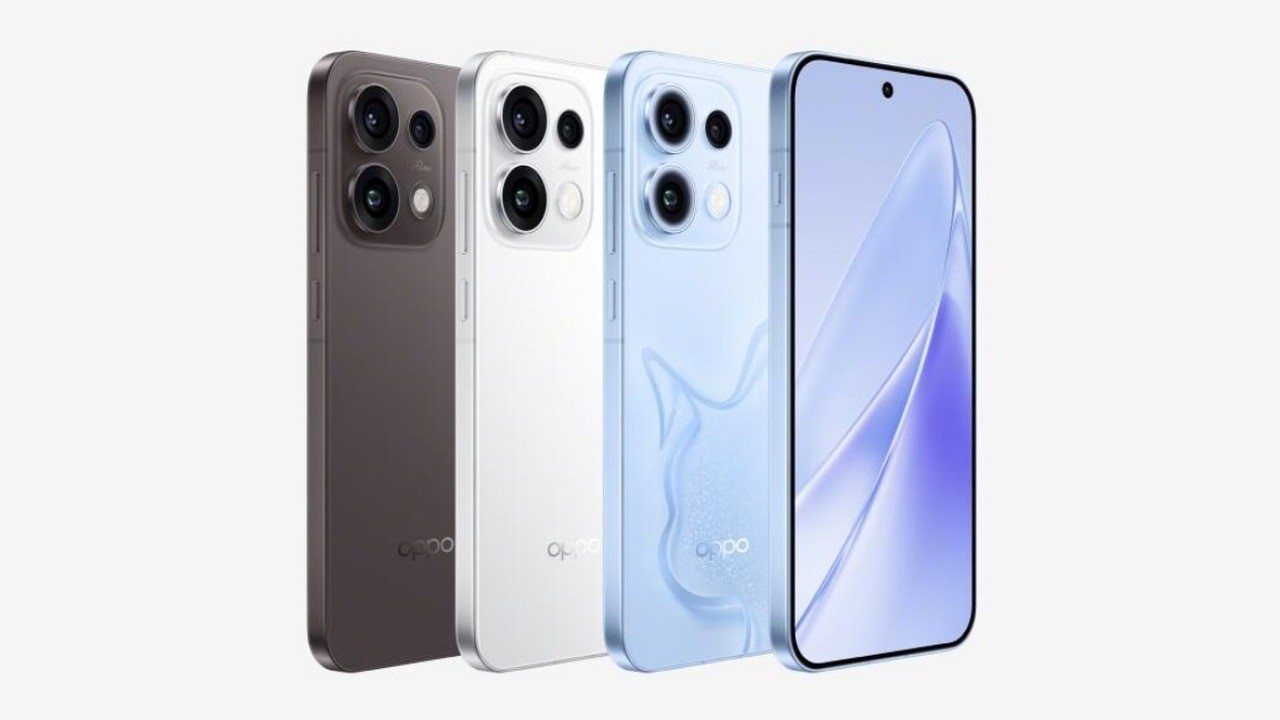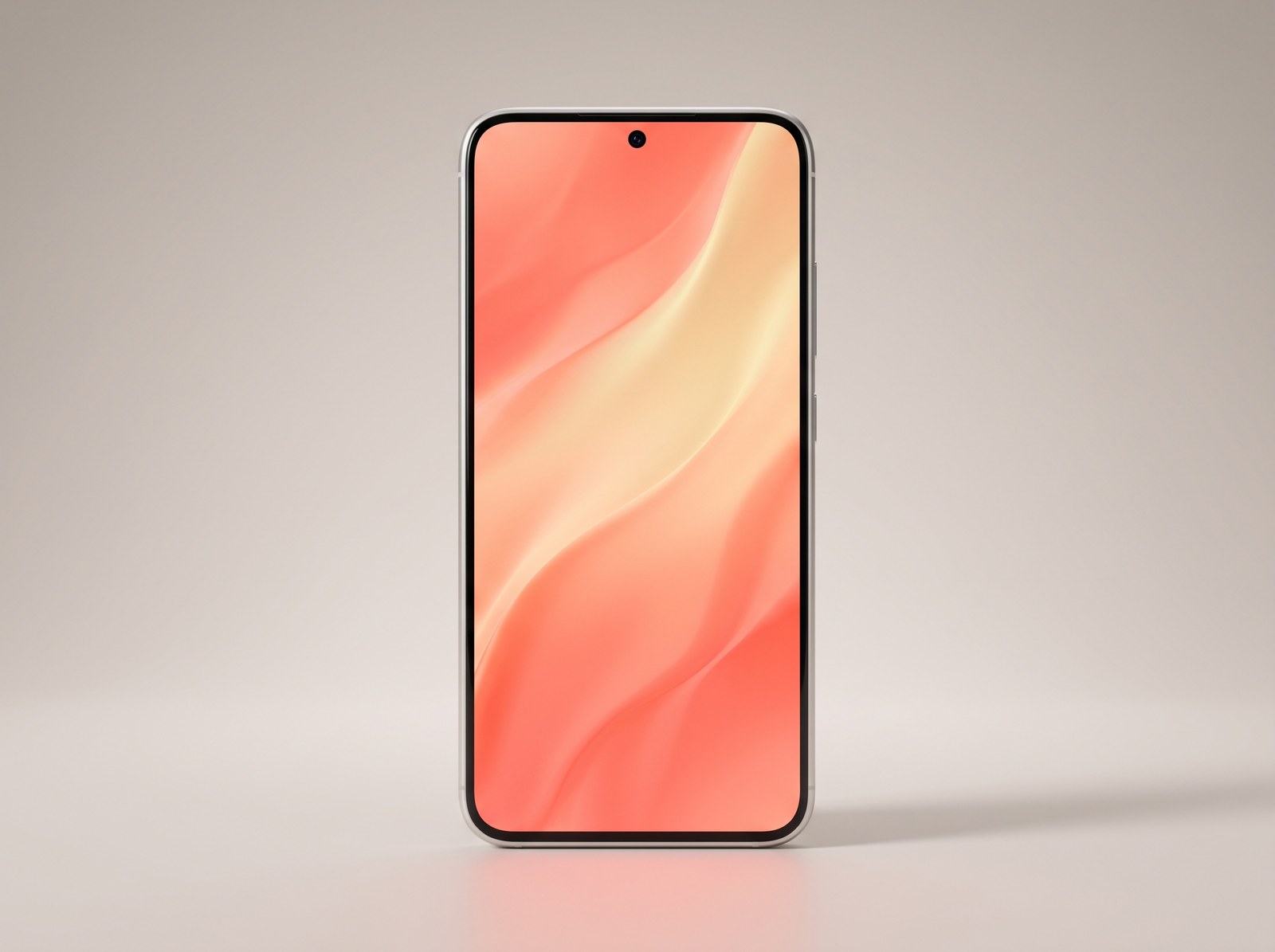
📌 Updated 15 October 2026 — New revelations from reputable tipster Digital Chat Station clarify the device’s technical specifications and positioning. The smartphone is reportedly testing a 6.35-inch 16:9 8T LTPO panel with a resolution of 2560 × 1440 pixels (delivering a perceived “1.5K” density), an ultrasonic fingerprint scanner, and an active display area comparable to that of a conventional 6.8-to-7-inch screen. Furthermore, while “Reno X” was merely the moniker from early leaks, its decidedly “Pro” positioning, flagship Dimensity SoC, and dual 200 MP camera setup (including a periscope lens) point toward inclusion in the flagship Find X10 series. Although its commercial name is not yet official, this is currently the most likely hypothesis: for us, this model will therefore now be called the Oppo Find X10 Pro Mini, and this article has been updated accordingly.
For nearly a decade, the smartphone industry has been locked in a relentless race toward taller screens. From the 18:9 aspect ratios that first surfaced around 2017 to today’s standards ranging between 19.5:9 and 20:9—and even 21:9 from some manufacturers—our phones have steadily morphed into slender remote controls. When consumers want genuine screen width, OEMs have conditioned us to turn to expensive foldables.
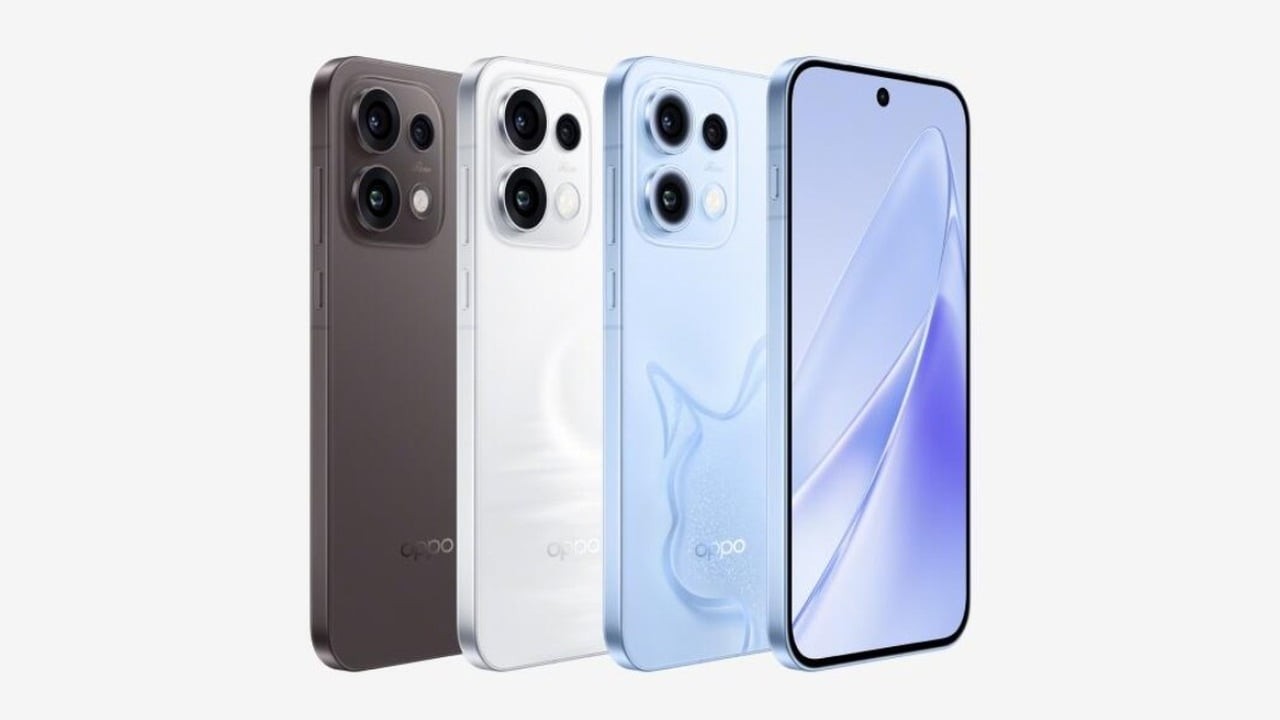
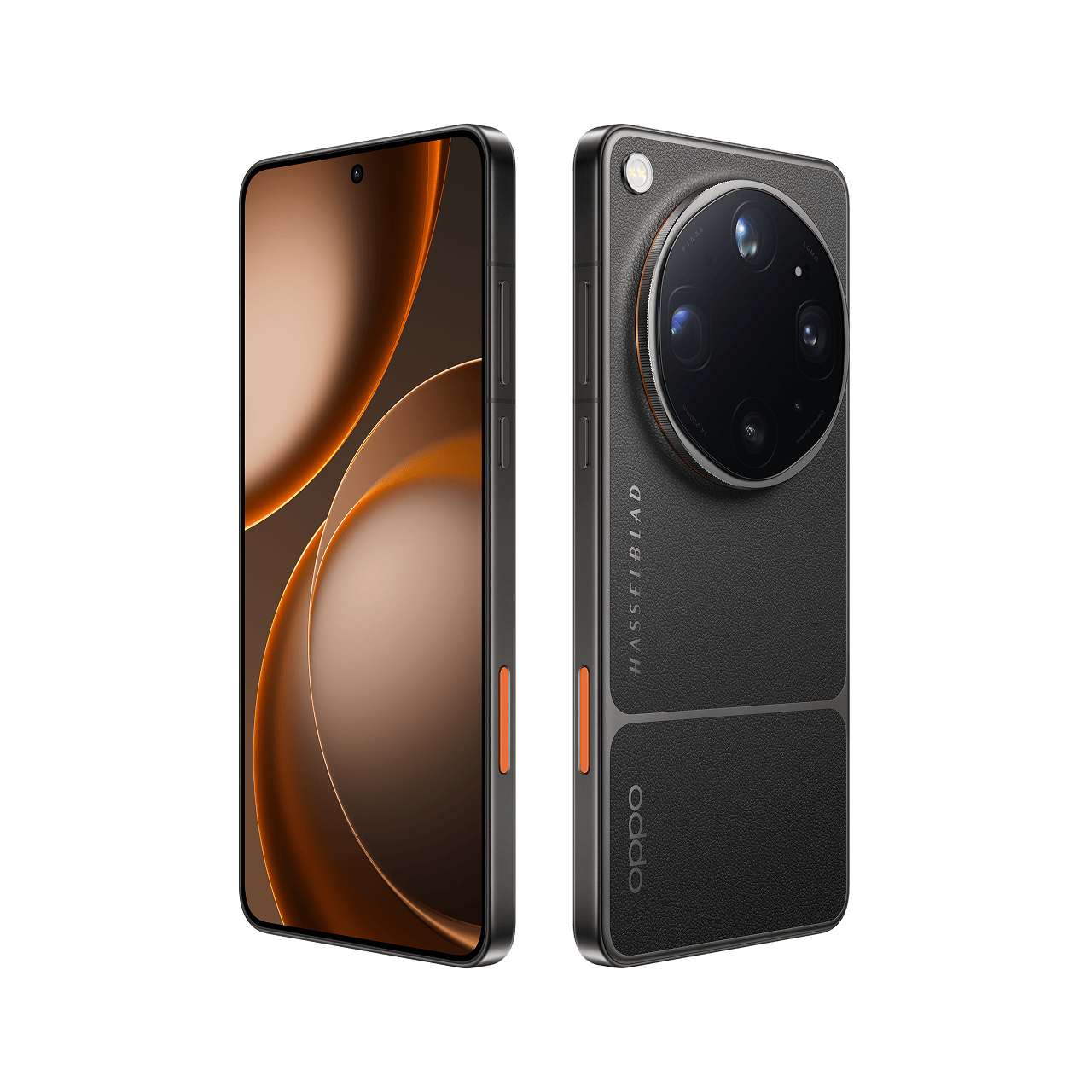
Yet, an unexpected shift seems to be brewing inside Oppo’s labs. According to multiple corroborating leaks, the Chinese brand is preparing to become the first Android maker to launch a traditional slab smartphone (non-foldable) sporting an exceptionally wide display, reviving the classic 16:9 aspect ratio. Referred to under the moniker “Oppo Reno X” in early leaks, the device will now be called the “Oppo Find X10 Pro Mini” for us: this is the most likely name according to the latest information in light of its ultra-high-end positioning, although its commercial name is not yet official.
A 16:9 Panel with Razor-Thin 1mm Bezels
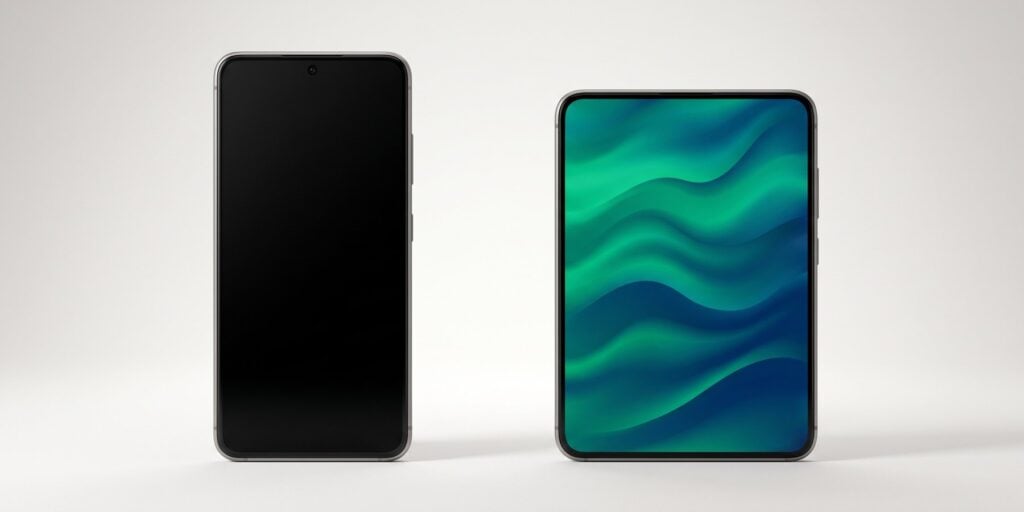
The details shared by tipsters provide unusually precise geometric specs regarding the device’s design. In stark contrast to today’s ultra-tall standards, this handset is said to feature a strict 16:9 display.
The engineering feat largely hinges on its bezel integration: bezels are reported to measure roughly 1 millimeter on all four sides. This symmetrical profile would deliver a nearly edge-to-edge viewing canvas. Based on measurements calculated from this 6.35-inch diagonal, the raw panel width would instead measure roughly 79.1 millimeters. Once fitted into its chassis with 1 mm bezels, the overall device width should land around 81.1 millimeters, well below the 83 to 85 millimeters initially feared. Thanks to this aspect ratio and nearly non-existent bezels, standard 16:9 video content would fill the entire panel from edge to edge without any letterboxing or cropping.
Dimensions and Surface Area: The Specs of a 6.35-Inch Panel
The latest leaks from Digital Chat Station shed light on the screen’s actual dimensions, based on a prototype equipped with a 6.35-inch 16:9 8T LTPO panel (2560 × 1440 resolution). Applying the rules of trigonometry and factoring in bezels of around 1 millimeter yields the following measurements:
- Active display width: approx. 79.1 mm
- Display height (16:9 ratio): approx. 140.6 mm
- Actual diagonal: 161.3 mm, or 6.35 inches
- Total chassis width: approx. 81.1 mm (with 1 mm bezel on each side)
| Bezel per side | Panel dimensions | Diagonal | Chassis width |
|---|---|---|---|
| 1.0 mm | 79.1 × 140.6 mm | 6.35 inches | ~81.1 mm |
These dimensions underscore a striking geometric reality: while its 6.35-inch diagonal might seem modest compared to today’s standards, its 16:9 aspect ratio delivers a usable surface area of around 111 cm². This is significantly larger than a 20:9 display of the same diagonal (~97 cm²), providing visual comfort comparable to that of a heavily elongated, conventional 6.8-to-7-inch smartphone.
Head-to-Head: The Oppo Find X10 Pro Mini Takes on the Huawei Pura X View
Oppo isn’t the first manufacturer to explore a wider footprint on a rigid phone. In the domestic Chinese market, the pioneer in this space is Huawei with its Pura X View. However, Oppo’s take appears distinct and arguably more ergonomic.
Huawei’s handset features a 6.39-inch diagonal housed in a rather bulky 87 mm-wide body, sporting a roughly 5:3 ratio and 1.05 mm bezels. By comparison, with a chassis around 81.1 mm wide, the Oppo Find X10 Pro Mini would be nearly 6 millimeters narrower. Its 16:9 ratio makes it slightly taller relative to its width, aiding one-handed grip with a usable display area of around 111 cm², very close to Huawei’s (115 cm²). The result should be an easier device to palm, while still retaining a noticeably squarer aesthetic than typical handsets.
Why Bet on a Wider Form Factor?
Returning to a wider display offers several tangible functional advantages:
- Uncompromised video playback: The vast majority of video content (YouTube, TV series, streaming platforms) is natively produced in 16:9. On current 20:9 screens, these videos leave chunky black bars on both sides in landscape mode. On the Oppo Find X10 Pro Mini, the picture would fill 100% of the screen.
- Superior reading and typing comfort: A wider display fits more words per line without shrinking font sizes and accommodates a noticeably roomier on-screen keyboard, significantly reducing typos.
- Multitasking: Web pages, documents, and PDFs are far easier to read and navigate on an expanded display than within a narrow vertical strip.
The trade-off? A roughly 81 mm chassis will make one-handed use trickier for smaller hands, clearly positioning this handset as a media consumption and productivity powerhouse.
Launch Window and Caveats: What Do We Know So Far?
For now, Oppo has not made any official announcement, and these details remain technical deductions based on supply-chain leaks.
According to rumors, the device could launch alongside the company’s next-gen foldable, the Find N7, which is currently whispered for a Q1 2027 unveiling.
It’s also worth noting that the project has evolved across different leak cycles: early leaks indeed pointed to the name “Oppo Reno X” with a 6.3-to-6.4-inch flat panel in a 16:10 ratio, before the Find X10 Pro Mini name became the most likely. If these rumors describe the same hardware, the project has ultimately materialized around a 6.35-inch diagonal. Until official confirmation of its commercial name and leaked renders surface, this Oppo Find X10 Pro Mini and its 6.35-inch 1440p panel offer a compelling glimpse of what could be a genuine breath of fresh air in an otherwise monotonous smartphone landscape.
At PhoneDroid, we sell global versions. If this Find X10 Pro Mini launches internationally, we’ll follow its arrival. In the meantime, browse our Oppo smartphones in stock.
Tutorials
See all Hasselblad, Zeiss, Leica, ARRI: what the camera partnerships on our smartphones are really hiding
- Guide: decode your smartphone’s spec sheet!
- New smartphone: 10 settings to change right away (Xiaomi, Vivo, Oppo, Honor)
- Switching to Android: how to transfer everything without losing a thing
- How to check your battery’s real health
- A 120W charger on an 80W phone: is it risky?