Unveiled in India during Vivo’s NEXT 2026 tech showcase, the new Vivo V80 is shaking up category standards. Packing a massive 7,200 mAh battery into an ultra-slim chassis, a 144Hz AMOLED display hitting 5,000 nits, a ZEISS-tuned camera setup, and the debut of Android 17-powered OriginOS 7, the Chinese manufacturer brings an exceptionally aggressive spec sheet to the table.
The early fall tech season always brings a wave of major smartphone announcements. In early October 2026, Vivo took to the stage at its annual “NEXT 2026” event in India to flex its technological muscle. While much of the spotlight was on the Vision Discovery Edition mixed-reality headset and the newly minted Vivo X Fold6 foldable, the brand didn’t neglect its mainstream lineup. Alongside the Vivo S2 FE, the company officially launched the Vivo V80, the new spearhead of its popular V-series—a lineup best known for stylish aesthetics and a laser focus on portrait photography.
This generation marks a clear departure from the past. Rather than settling for incremental upgrades, Vivo has equipped the V80 with flagship-tier features—most notably when it comes to battery endurance, build durability, and the software experience.
Sleek Design and a Top-Tier 144Hz AMOLED Display
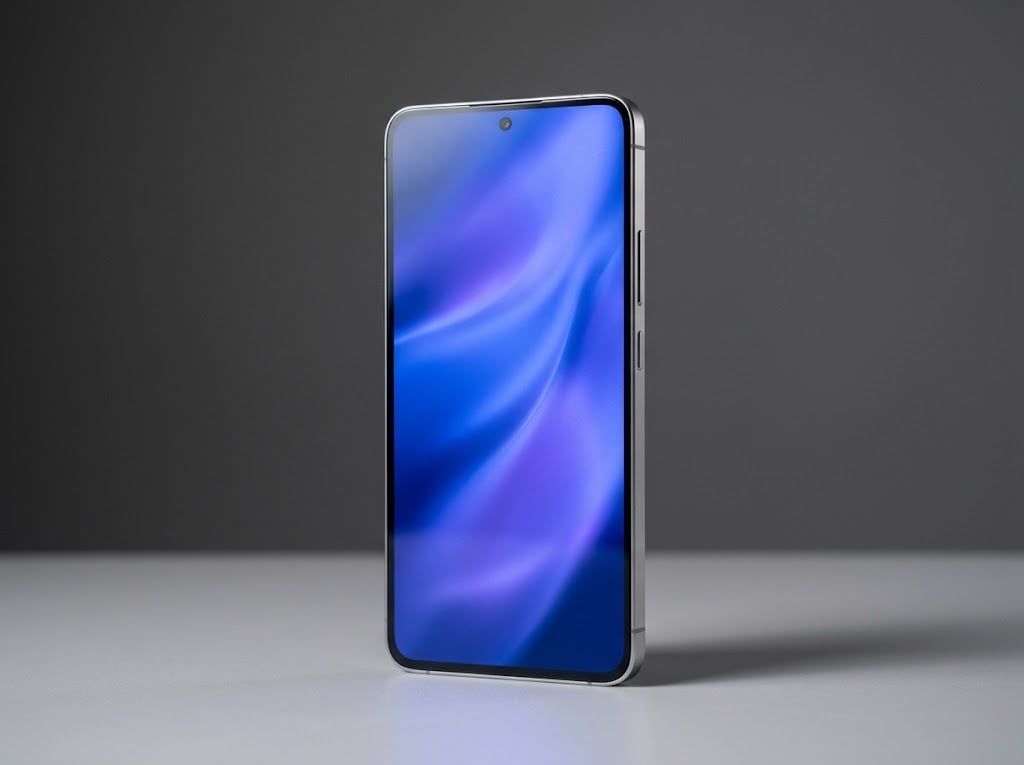
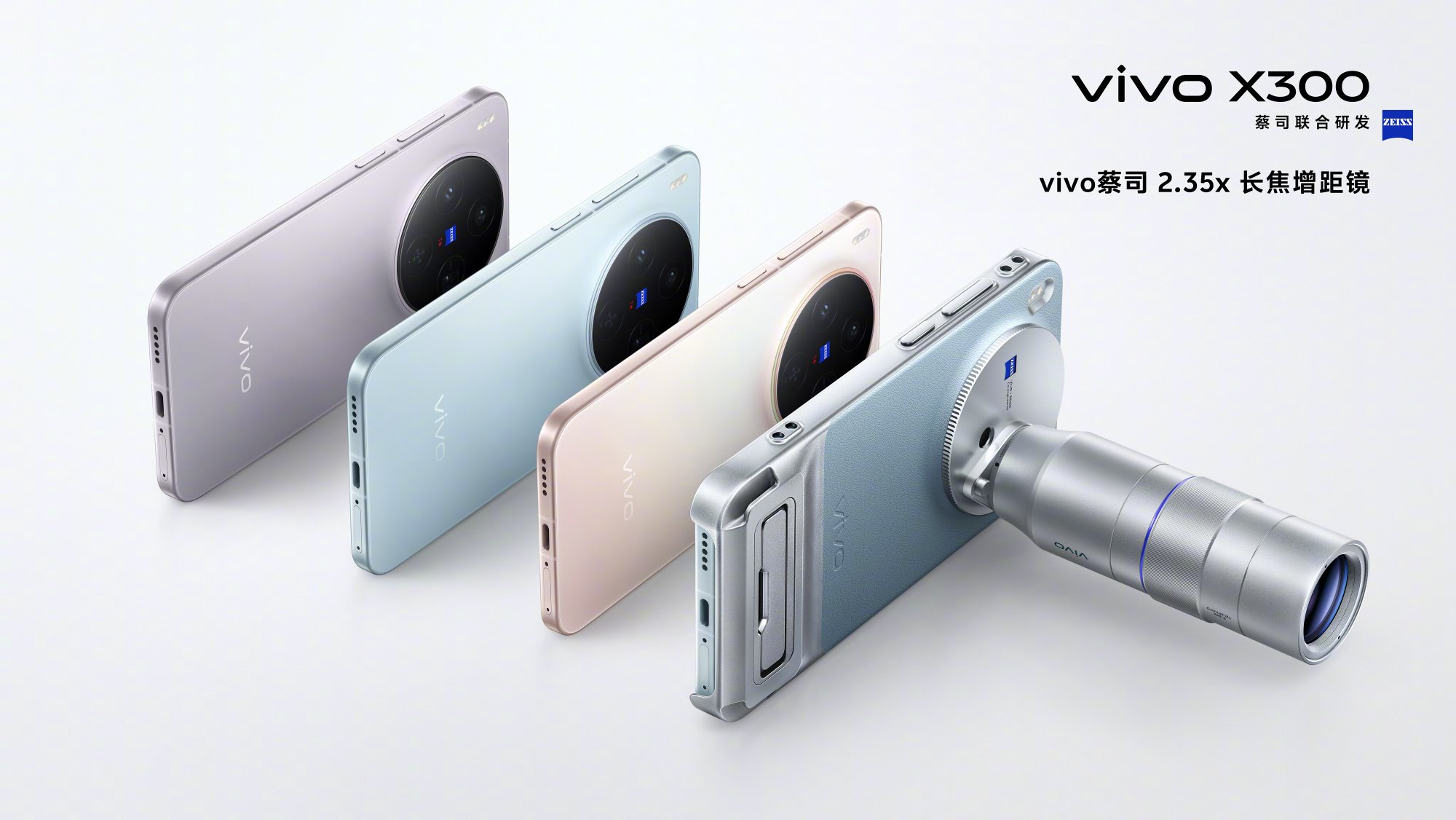
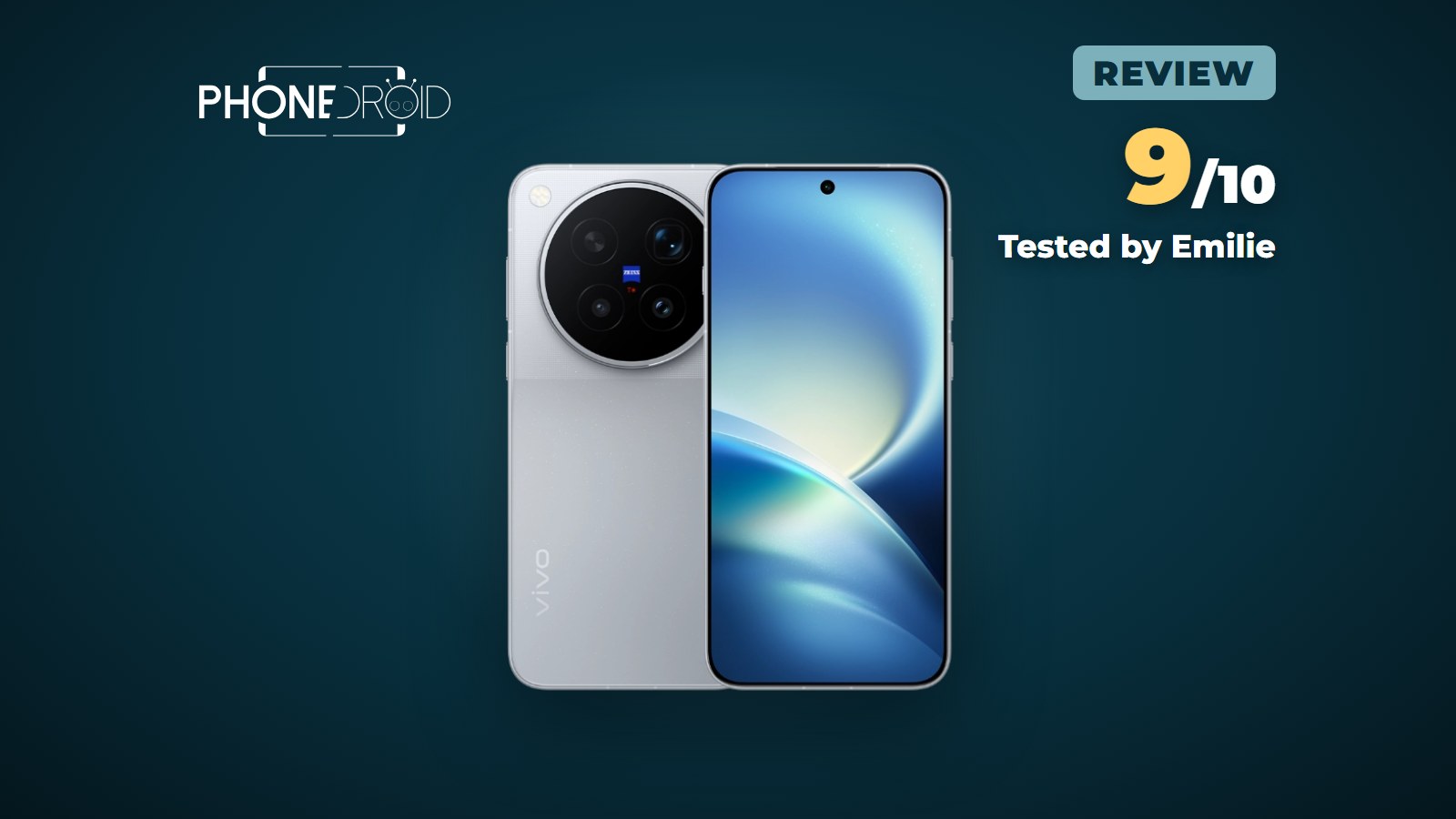
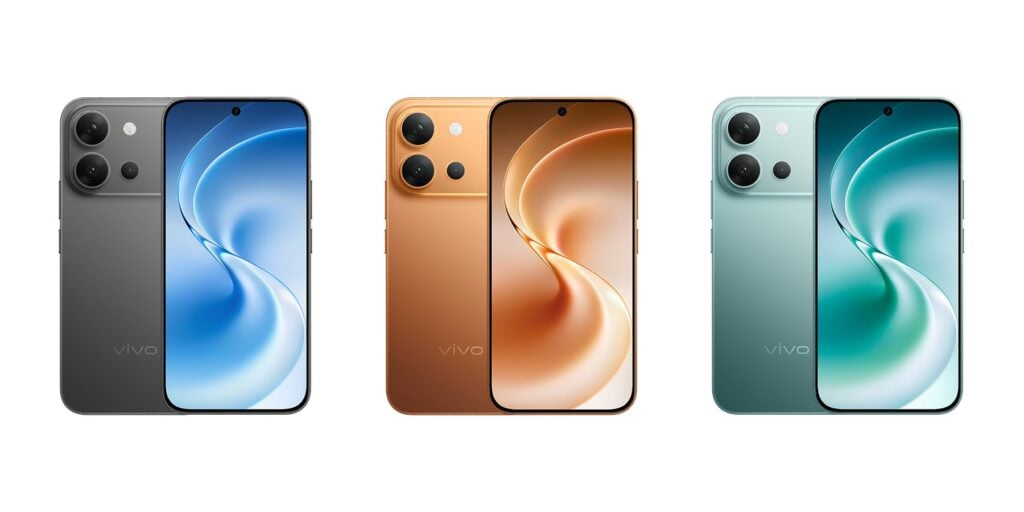
The Vivo V80’s first standout feat is undoubtedly its ergonomic balance. High-capacity batteries usually result in bulky, hefty devices, yet Vivo has managed to keep the phone’s profile down to just 7.69 mm, with footprint measurements of 157.52 x 74.33 mm and a weight of 203 grams. It feels remarkably well-balanced in hand, complemented by refined finishes across three colorways: Sunrise Anthem, Horizon Blue, and Stellar Black.
Durability hasn’t taken a backseat to compactness either. The V80 comes with dual IP68 and IP69 ratings. While IP68 ensures protection against prolonged submersion in fresh water, IP69 certifies resistance against high-pressure, high-temperature water jets—a rare badge of honor in this price bracket.
Up front, the device sports a 6.59-inch 1.5K AMOLED panel framed by razor-thin bezels. Vivo pulled out all the stops on the display front:
- 144Hz refresh rate for buttery-smooth UI navigation and gaming;
- Full HDR10+ support;
- A staggering local peak brightness of up to 5,000 nits, ensuring flawless outdoor legibility under direct sunlight;
- High-frequency 4,320Hz PWM dimming, dramatically cutting down eye fatigue during low-light nighttime reading.
For biometric authentication, Vivo swaps out conventional optical sensors for an in-display 3D ultrasonic fingerprint scanner, renowned for its lightning-fast response and ability to work reliably with wet fingers. The multimedia package is rounded out by a well-balanced pair of stereo speakers.
ZEISS Optics: Portraits Take Center Stage
True to the V-series DNA, the Vivo V80 doubles down on imaging, powered by the company’s ongoing partnership with German optics specialist ZEISS.
The primary rear shooter relies on the latest 50-megapixel Sony LYTIA 700V sensor, complete with Optical Image Stabilization (OIS). This lens guarantees strong light gathering and sharp details in low-light environments. Sitting alongside it is a 50-megapixel ZEISS telephoto lens utilizing Sony’s IMX882 sensor. It provides 3x lossless optical zoom and stretches up to 100x digital zoom via algorithmic processing. This focal length is tailored for tight portraits, taking full advantage of exclusive ZEISS-developed bokeh simulations that emulate the rendering of iconic vintage lenses from the German brand.
However, the third rear camera represents a clear technical compromise: an 8-megapixel fixed-focus ultrawide. While it gets the job done for wide landscape shots in broad daylight, it simply doesn’t deliver the same level of detail as the primary two sensors.
On the front, selfie enthusiasts and content creators are in for a treat. The 50-megapixel front-facing camera features autofocus and a wide 92-degree field of view. Video recording caps out at 4K at 60 frames per second. The camera app also bundles multiple dedicated portrait focal lengths and a rich suite of artistic bokeh effects.
Performance & Battery Life: The 7,200 mAh Endurance Monster
Under the hood, the Vivo V80 taps Qualcomm’s 4nm Snapdragon 7 Gen 4 platform. This modern chipset strikes a sweet spot between everyday responsiveness, disciplined thermal management, and power efficiency. It comes paired with 8GB of LPDDR4X RAM across three onboard storage options: 128GB, 256GB, or 512GB of UFS 3.1 storage.
Yet the V80’s true crowning achievement is its battery department. Vivo managed to squeeze in a colossal battery with a typical capacity of 7,200 mAh (rated at 7,015 mAh)—making it the largest cell ever featured in a V-series phone. A reserve this generous easily promises two to three days of moderate use away from a wall socket.
To top up this powerhouse, Vivo includes 90W wired FlashCharge fast-charging technology, keeping downtime surprisingly brief despite the massive battery pack.
OriginOS 7 Debuts in India Powered by Android 17
On the software side, the V80 signals a major shift. While OriginOS was historically restricted to the Chinese market—with global units shipping with Funtouch OS—OriginOS 7 is now making its official Indian debut. Alongside the X Fold6 foldable, the V80 is among the very first Vivo smartphones to launch with the skin on Indian soil.
Built atop Android 17, OriginOS 7 introduces a sweeping visual overhaul: modular dynamic widgets, more fluid and organic animations, refined background resource allocation, and deeply integrated contextual AI tools. This transition delivers a noticeably fresher and smoother user experience for device owners.
Pricing, Configurations, and Availability
The Vivo V80 is already available for pre-order in India, with general open sales kicking off on October 13, 2026 via Vivo’s official online store, authorized retail outlets, and major e-commerce platforms including Amazon and Flipkart.
The pricing structure spans three storage variants (all backed by 8GB of RAM):
- 8GB + 128GB: 62,999 Indian Rupees, or roughly €583;
- 8GB + 256GB: 69,999 Indian Rupees, or roughly €647;
- 8GB + 512GB: 79,999 Indian Rupees, or roughly €740.
(Note: Conversions are indicative based on exchange rates as of October 7, 2026, excluding local import taxes and duties).
To mark the launch, Vivo is offering several introductory promotions, including up to 10% instant cashback or trade-in bonuses through partner banks. Early buyers also get a complimentary Google One cloud storage plan, alongside discounted rates on extended warranties and the V-Shield accidental damage protection package.
At PhoneDroid, we sell the global versions of Vivo smartphones. The V80 has launched in India for now: we’ll follow any announcement of a European release. In the meantime, browse our Vivo smartphones in stock.
Conclusion
With the Vivo V80, the Dongguan-based manufacturer delivers a genuinely compelling package. By pulling off the engineering feat of cramming a 7,200 mAh battery into a sleek, IP68/IP69-rated body—all while retaining capable ZEISS optics and a blisteringly bright 144Hz display—Vivo is resetting expectations for upper mid-range smartphones. It now remains to be seen whether the company will roll out the V80—and its newly localized OriginOS 7 software—to broader global markets in the coming months.
Tutorials
See all Hasselblad, Zeiss, Leica, ARRI: what the camera partnerships on our smartphones are really hiding
- Guide: decode your smartphone’s spec sheet!
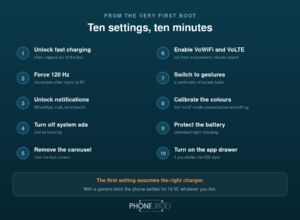
- New smartphone: 10 settings to change right away (Xiaomi, Vivo, Oppo, Honor)
- Switching to Android: how to transfer everything without losing a thing
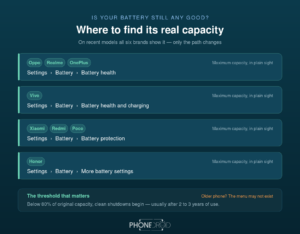
- How to check your battery’s real health
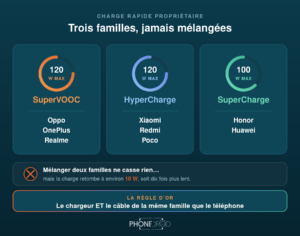
- A 120W charger on an 80W phone: is it risky?