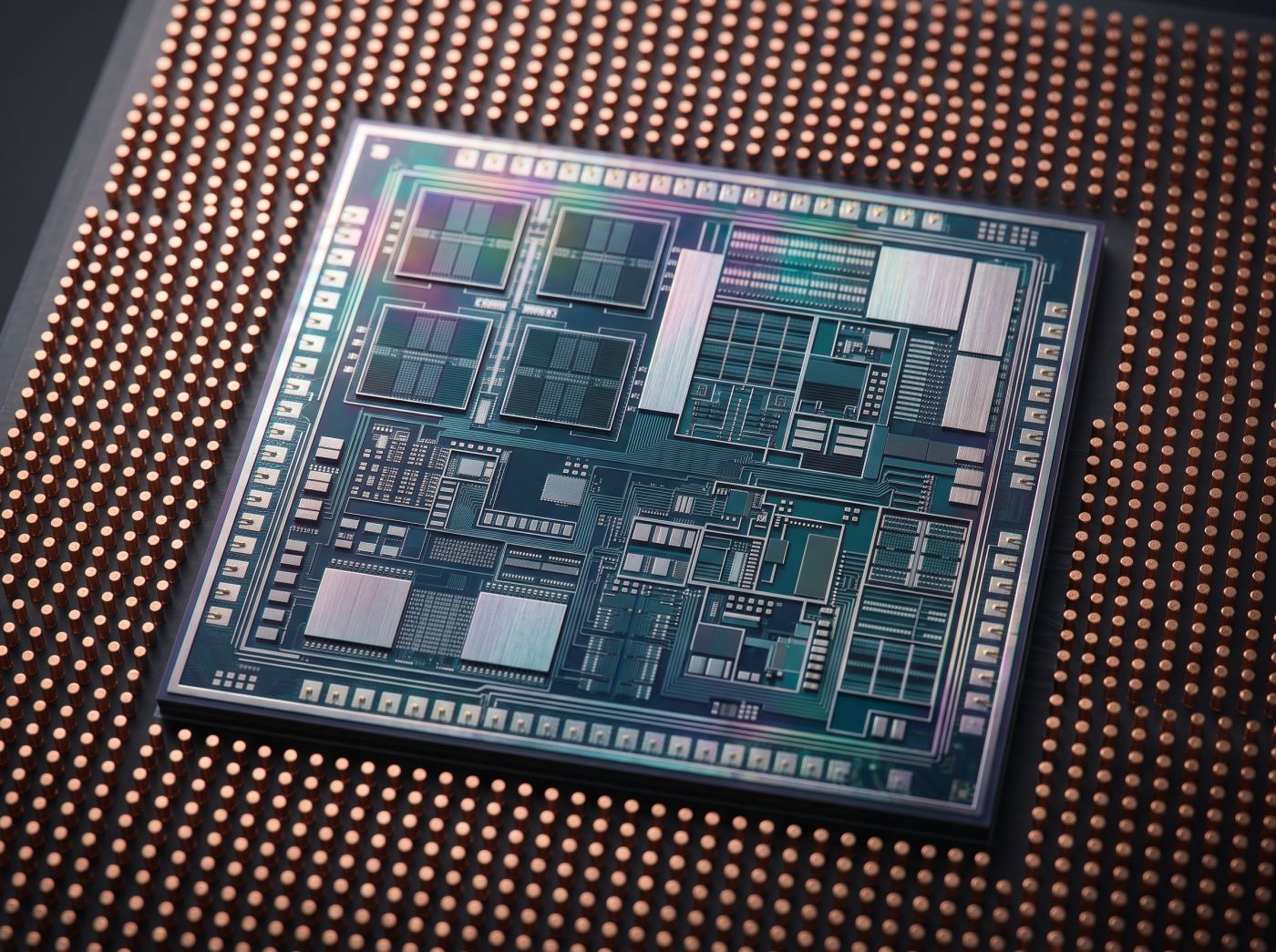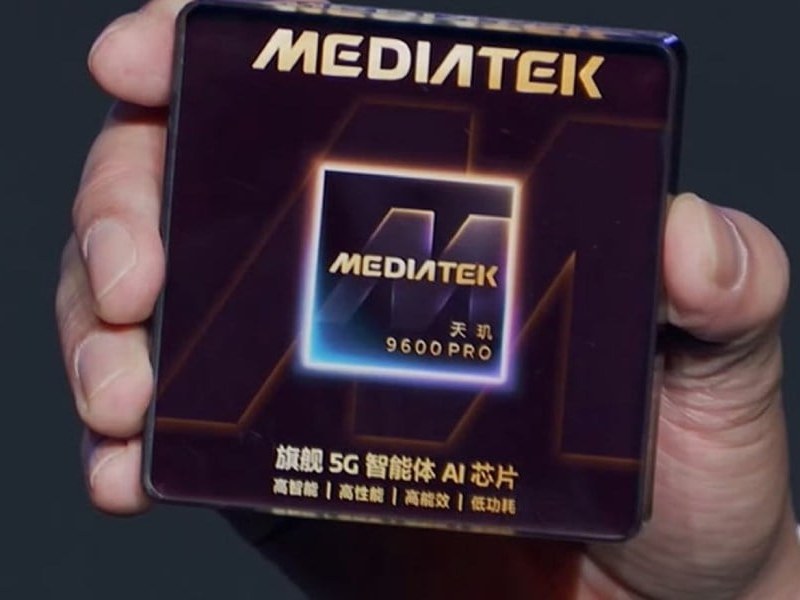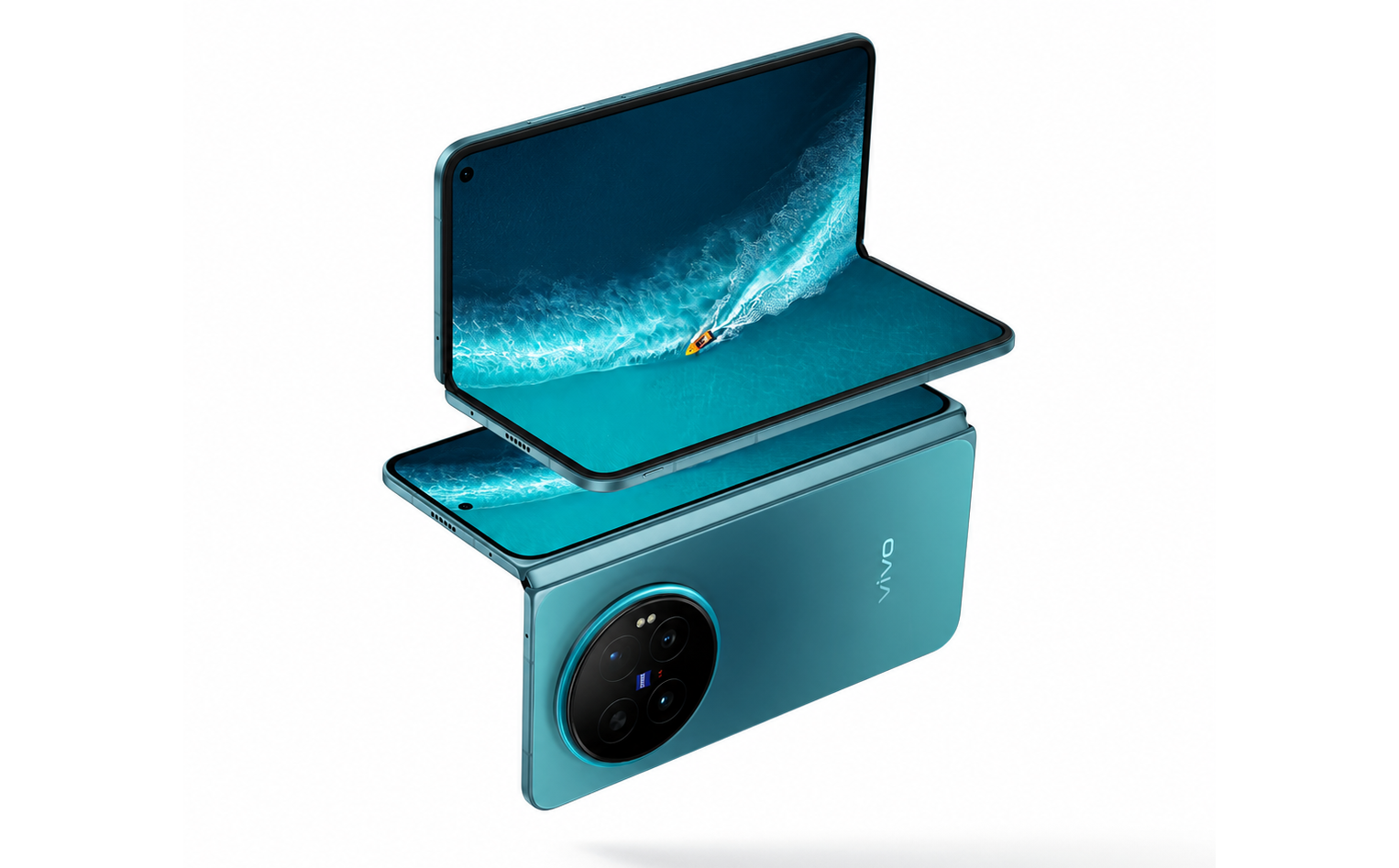
While all eyes were rightly on the official launch of the spectacular 2 nm Dimensity 9600 Pro, the event MediaTek held on 15 September also lifted the lid on a second part: the Dimensity 9600M. Intended to power the base version of the upcoming Vivo X500 (while the Pro and Pro Max versions inherit the 9600 Pro), this component is positioned as the more affordable option in the range. The standard Oppo Find X10, spotted on Geekbench with the Dimensity 9500’s signature, is expected to carry it too.
On paper and in official marketing material, MediaTek presents the 9600M as a modern platform inheriting the graphics technologies of the 9600 series, with an architecture made up entirely of big cores. Yet as soon as the official spec sheets are placed side by side, the industrial reality looks rather different: behind the new commercial name lies, for the most part, an optimised revision of the Dimensity 9500. Here is a detailed look at this component and what it really brings day to day.
Behind the 9600M name: the proven 3 nm foundations of the Dimensity 9500
To gauge what the Dimensity 9600M really offers, its structural spec sheet deserves a close look. Unlike the 9600 Pro, which debuts the 2 nm process, the Dimensity 9600M keeps TSMC’s 3 nm N3P manufacturing process, the same one used on the previous generation. Raw performance therefore sits squarely in line with last year’s flagship chip.
The layout of the central processing units (CPU) reflects that direct lineage:
- 1 ARM C1-Ultra core: clocked at 4.21 GHz with 2 MB of L2 cache.
- 3 ARM C1-Premium cores: clocked at 3.5 GHz with 1 MB of L2 cache each.
- 4 ARM C1-Pro cores: clocked at 2.7 GHz with 512 KB of L2 cache per unit.
- Shared cache memory: 16 MB of L3 cache complemented by 10 MB of system cache.
This is strictly the internal configuration of the Dimensity 9500. The same goes for the graphics side, handled by the Arm Mali-G1 Ultra MC12 GPU, and for neural processing, orchestrated by the APU 990 processor with its integrated memory efficiency unit. Memory and storage management also stays locked to current standards: support for LPDDR5X at 10,667 MHz and 4-lane UFS 4.1 storage, with no move to the LPDDR6 or UFS 5.0 standards reserved for the Pro version.
On the imaging front, the Imagiq circuit keeps its technical ceilings: support for sensors up to 320 megapixels, 8K recording at 60 frames per second, and 4K video at 120 fps with electronic stabilisation (EIS) or 4K at 60 fps in cinematic mode.
What really changes: Scheduling Engine 3.0 and 185 fps display
While the hardware base remains familiar, the Dimensity 9600M does introduce a few targeted adjustments. The most notable is the upgraded resource manager: the processor integrates the Dimensity Scheduling Engine 3.0, replacing version 2.0 found on the 9500. This third-generation scheduler refines how loads are shared between the central processor, the graphics chip and RAM, limiting wasted energy when switching between apps.
The second area MediaTek highlights is gaming. The chip can reach display frame rates of up to 185 frames per second thanks to neural network rendering algorithms. It is worth stressing, however, that the dedicated frame interpolation hardware does not change, carrying over the MRFC 3.0 module developers already know well.
Software updates and artificial intelligence integration
The most concrete changes in this Dimensity 9600M lie on the software and algorithmic side:
- Broader language model compatibility: the APU 990 neural unit gains native support for the Gemini Nano 4 and Qwen 3.5 Omni 4B models to speed up on-device conversational assistants.
- Smart photography agent: a shooting agent able to analyse the scene in real time to suggest the best framing or warn the user of sub-optimal exposure.
MediaTek Dimensity 9600M specifications compared with the Dimensity 9500
| Feature | MediaTek Dimensity 9600M | MediaTek Dimensity 9500 |
|---|---|---|
| Process | TSMC 3 nm (N3P process) | TSMC 3 nm (N3P process) |
| CPU architecture | 1× C1-Ultra (4.21 GHz) + 3× C1-Premium (3.5 GHz) + 4× C1-Pro (2.7 GHz) | 1× C1-Ultra (4.21 GHz) + 3× C1-Premium (3.5 GHz) + 4× C1-Pro (2.7 GHz) |
| Cache memory | 16 MB L3 + 10 MB system cache | 16 MB L3 + 10 MB system cache |
| Graphics chip (GPU) | Arm Mali-G1 Ultra MC12 | Arm Mali-G1 Ultra MC12 |
| Resource manager | Dimensity Scheduling Engine 3.0 | Dimensity Scheduling Engine 2.0 |
| Gaming frame rate | Up to 185 fps (neural network rendering) | Standard 120 / 144 fps |
| NPU | APU 990 (Gemini Nano 4, Qwen 3.5 Omni 4B support, photo agent) | APU 990 |
| Memory & storage | LPDDR5X (10,667 MHz) · UFS 4.1 (4-lane) | LPDDR5X (10,667 MHz) · UFS 4.1 (4-lane) |
| Photo / video capabilities | Up to 320 MP, 8K 60 fps, 4K 120 fps EIS | Up to 320 MP, 8K 60 fps, 4K 120 fps EIS |
Why this choice for the standard Vivo X500?
Placing the Dimensity 9600M at the heart of the upcoming standard Vivo X500 follows a pragmatic economic logic. With TSMC’s 2 nm process carrying record production costs that weigh on the prices of the Pro and Pro Max versions, reusing a perfectly mastered 3 nm architecture lets the manufacturer keep the price of its entry model in check.
For the end user, this decision is no handicap: the Dimensity 9500, found in the Vivo X300, already offered far more power than the vast majority of everyday uses require, along with excellent thermal behaviour and remarkable battery life. By grafting on an optimised scheduler and refreshed artificial intelligence features, MediaTek delivers a mature, balanced component, even if the generational leap is more about software refinement than hardware revolution.
Conclusion
The MediaTek Dimensity 9600M fully embraces its role as a rational compromise in the chipmaker’s 2026 catalogue. By reusing most of the Dimensity 9500’s silicon while adding Scheduling Engine 3.0 and support for the latest AI models, it should allow the Vivo X500 to offer high-flying performance at a gentler price than the 2 nm technology showcases. While you wait for its release, browse our selection of Vivo smartphones.